
Replacing a Window or Through-the-Wall AC in Denver’s Older Buildings
Replacing a Window or Through-the-Wall AC in Denver's Older Buildings
Swap a noisy window unit or a dated wall sleeve AC for quiet heat pump heating and cooling — without adding an outdoor condenser.
Denver's older housing stock — brick bungalows, Victorian four-squares, mid-century apartment blocks and converted lofts — was built long before central air. The result is thousands of window ACs and aging through-the-wall units that rattle all summer, leak cold air all winter and only cool. If you're replacing one of these, you have better options now, including a heat pump that never needs an outdoor unit.
Why replace a window or wall AC now
- Heat, not just cool. A heat pump replacement adds efficient heating for spring and fall, and helps rooms the radiator or furnace never quite reaches.
- Your window back. No more blocked view, sagging brackets or seasonal install and removal.
- Less noise and drafts. Sealed wall openings replace gaps around a window unit.
- Refrigerant transition. Older units use refrigerants that are being phased down; new equipment like the Islandaire EZMB runs on R32.
Three replacement paths
1. Ductless mini-split (best if an outdoor unit is allowed)
The most efficient option and the best for Colorado winters. It needs a small line-set hole and a condenser outside on a pad or wall bracket. See ductless mini-split installation.
2. Monobloc heat pump (best when nothing can go outside)
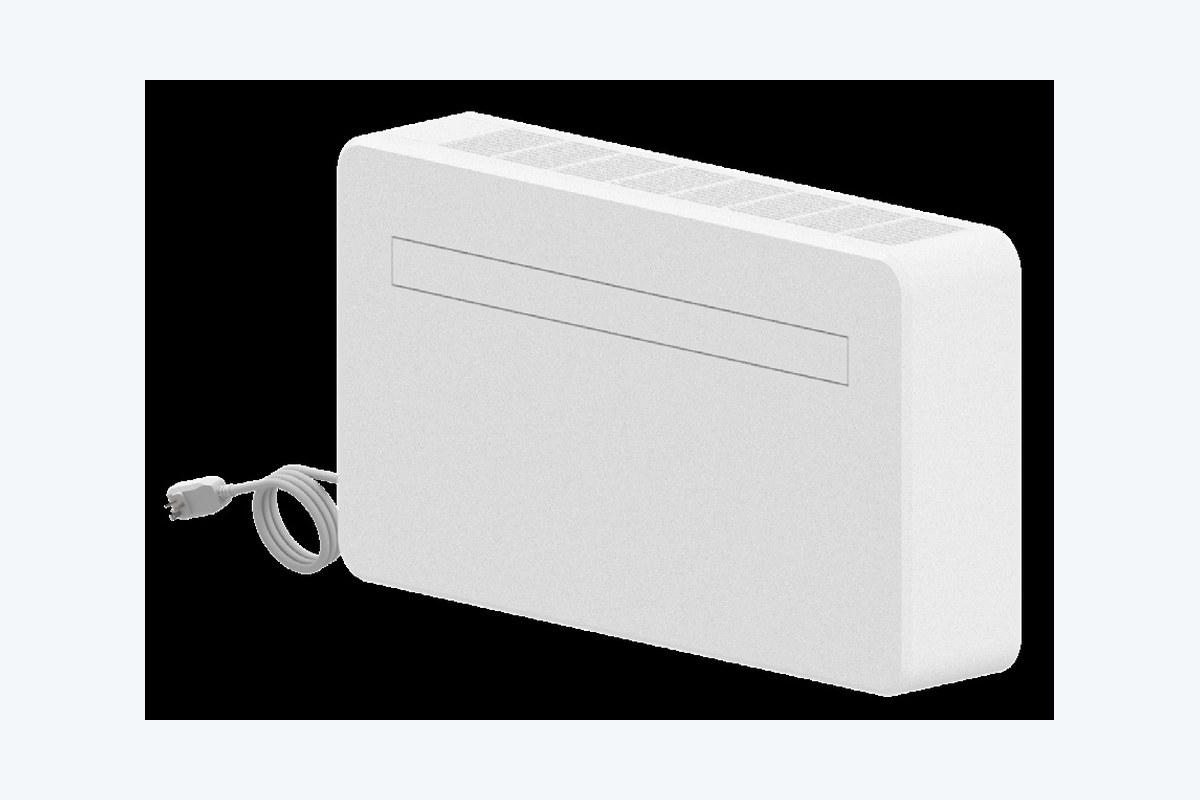
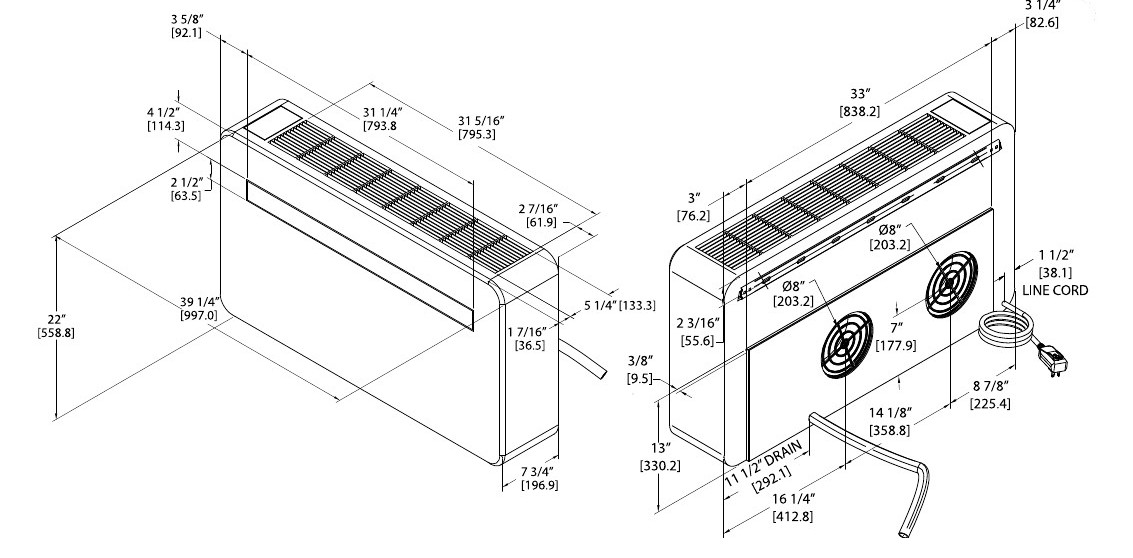
The Islandaire EZMB monobloc mounts inside on an exterior wall and breathes through two 8" openings. It's ideal for landmark-district homes, condos and apartments where a condenser isn't allowed, and for rooms where line sets can't be routed.
3. New through-the-wall unit or PTAC (best if you already have a sleeve)
If there's an existing wall sleeve in good condition, a new heat pump wall unit that fits the same sleeve is often the simplest swap.
What to check before you replace
- The wall. Brick and plaster walls need careful coring; we check for studs, lintels, pipes and wiring first.
- The circuit. Window units often share a bedroom circuit. A heat pump replacement usually gets its own 15 A circuit — older panels may need an electrical upgrade.
- The rules. Historic districts and HOAs may restrict exterior changes; a monobloc's small vents are often easier to approve than a condenser.
- Room size. A 10,000 BTU unit suits a typical bedroom, office or living area.
- Winter backup. In deep cold, keep your existing heat or use the EZMB's built-in 1,000 W heater (230V model).
Frequently asked questions
Can a monobloc go where my window AC was?
It mounts on the wall rather than in the window, so we restore the window and core two openings in the wall below or beside it.
Will it heat my room in January?
It heats efficiently in mild weather and keeps producing heat in the cold, but output drops near 0°F. Most Denver homes use it alongside existing heat.
Do you remove the old unit?
Yes. We remove and recycle the old window or wall unit and
What does a monobloc replacement cost?
Our Islandaire EZMB installs start at $4,200 installed for a first- or second-story room, and harder installations cost more. Upper floors cost more because the exterior hoods have to be sealed from ladders, a lift or scaffolding, and brick walls cost more because coring two 8-inch holes through brick is slow, careful work.
Ready to retire the window unit?
Tell us about the room and we'll recommend the right replacement.