
No Room for an Outdoor Unit? Monobloc Heat Pumps for Denver Condos & HOAs
No Room for an Outdoor Unit? Monobloc Heat Pumps for Denver Condos, Lofts & HOAs
If your building won't allow a condenser on the balcony, wall or roof, you still have a real heat pump option. Here's how a monobloc works, where it fits, and what to tell your HOA.
Every week we hear a version of the same story from Denver condo owners: the unit gets hot every summer, the window AC is loud and ugly, and the HOA says no to anything mounted outside. In a lot of Capitol Hill, Cheesman Park, LoDo and Golden Triangle buildings, the declarations flatly prohibit equipment on balconies and façades. A standard ductless mini-split needs an outdoor condenser, so it's out. That's exactly the gap a monobloc heat pump was designed to fill.
What a monobloc heat pump is
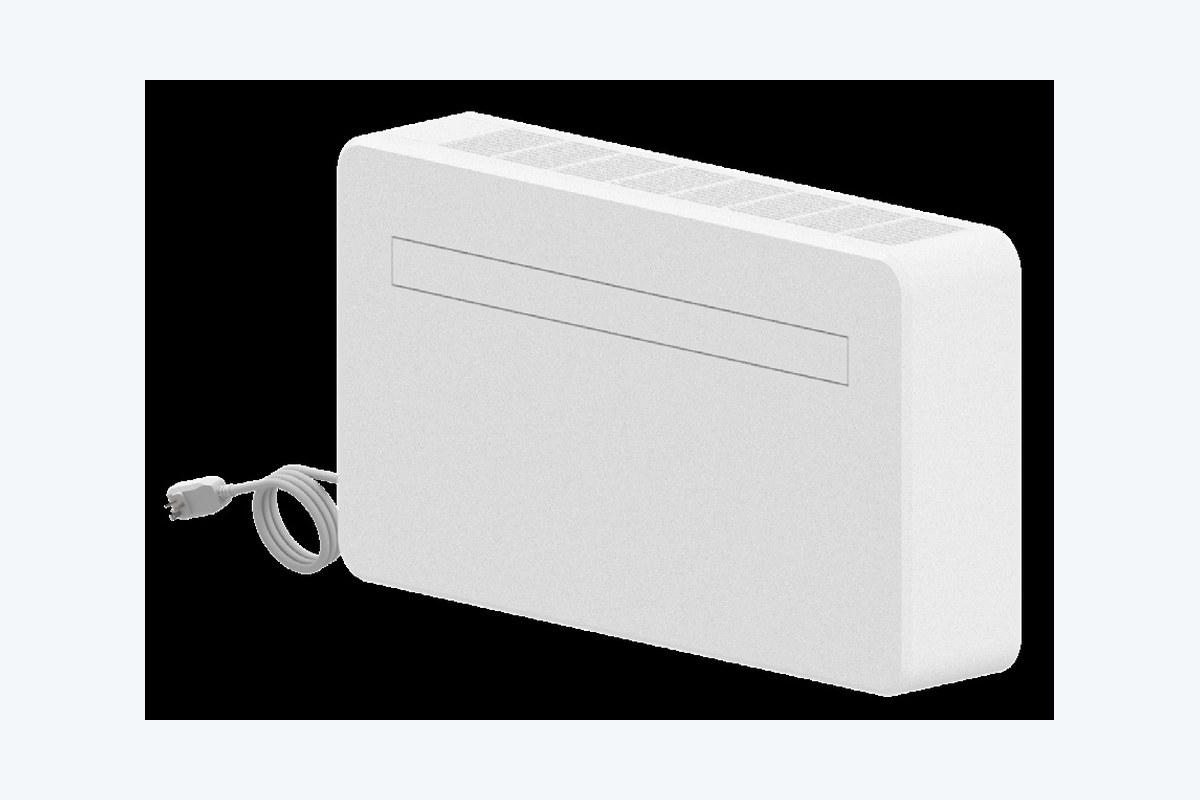
A monobloc puts the compressor, both coils and both fans in one indoor cabinet. Instead of a separate outdoor unit, it pulls and exhausts outdoor air through two openings in an exterior wall. From the street, all you see are two small louvered hoods — roughly the size of a dryer vent each. Inside, it looks like a slim wall panel.
The unit we install most is the Islandaire EZMB monobloc: 10,000 BTU/h of nominal cooling, DC inverter heat pump heating, R32 refrigerant sealed at the factory, and a built-in 1,000 W heater on the 230V model.
Why it works for Denver condos and HOA buildings
- Nothing on the balcony or roof. The only exterior change is two vent hoods on your own wall.
- No refrigerant lines through common areas. No line-set chases, no core drilling through neighbors' units, no roof penetrations.
- Heating and cooling. Unlike a window AC, it's a true heat pump — handy in shoulder seasons when the building boiler isn't on yet.
- Quiet. 32–46 dBA, so it's comfortable in a bedroom or home office.
- Your own controls. Each unit runs independently with its own remote and timers, which suits rentals and ADUs too.
What to bring to your HOA board
Most boards want to know three things: what it looks like outside, how big the holes are, and who's doing the work. When we quote a condo installation, we provide:
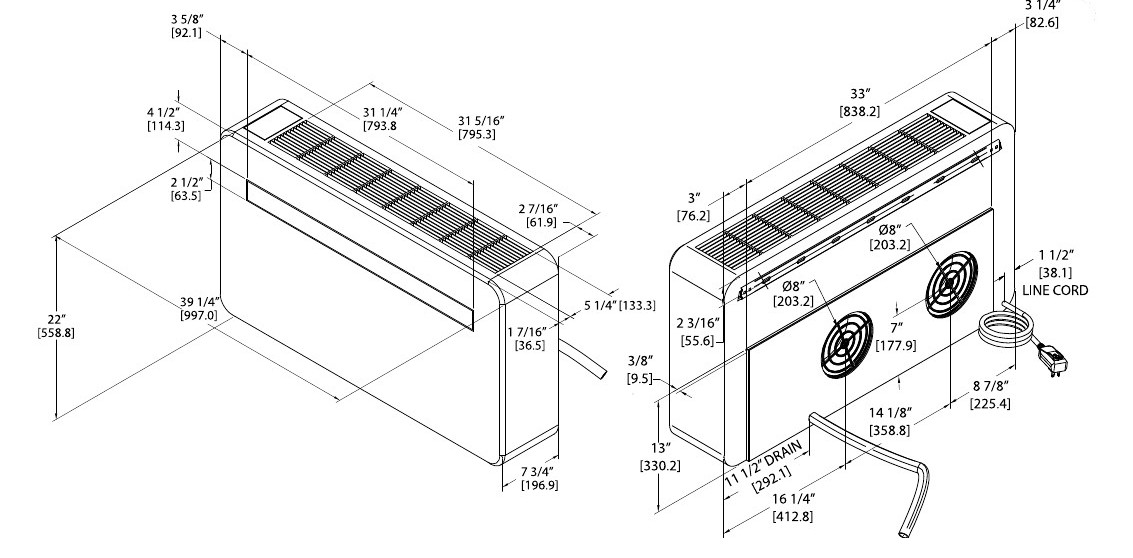
- The manufacturer cut sheet with dimensions and the exterior hood size (about 9" round).
- A marked-up photo showing exactly where the two openings would go — two 8" openings, 14⅛" apart.
- Our insurance certificate and the electrical permit plan for a dedicated 15 A circuit.
Some buildings also need structural sign-off for coring through masonry or concrete. We'll flag that during the site visit.
The honest trade-offs
A monobloc is not as efficient as a cold-climate mini-split (16 SEER2 versus 30+ for a top Fujitsu), and its heating output drops in deep cold — about 5,000 BTU/h at 0°F. In a Denver condo with building heat, that's rarely a problem: the EZMB handles summer cooling and most spring and fall heating, and the built-in heater or the building's system covers the coldest nights. If your HOA does allow an outdoor unit, we'll usually point you to a ductless mini-split instead.
Frequently asked questions
Can I install a monobloc in a rental or ADU?
Yes. It's a good fit for ADUs and rentals because each unit is self-contained and controlled by the occupant.
Does it need a special electrical circuit?
The 230V model needs a dedicated 15 A, 230V circuit. If your panel has space, that's usually a simple add.
How long does installation take?
Most condo installs take one day once the HOA has approved the openings.
Find out if your building allows a monobloc
Send us a photo of the wall and your HOA's rules and we'll tell you what's possible.