
Commercial Rooftop Unit Replacement in Westminster, CO
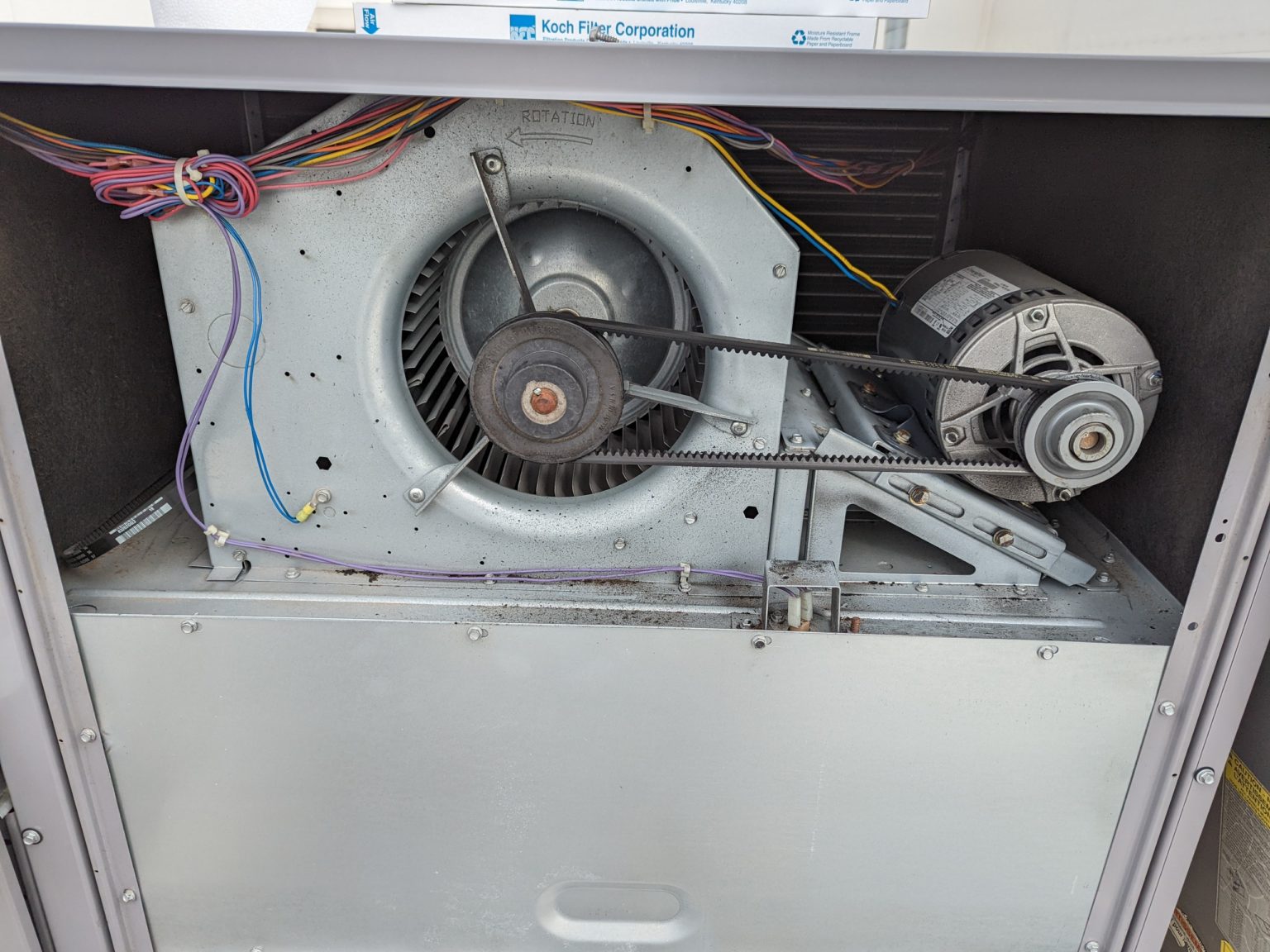
Planning commercial rooftop unit replacement in Westminster, CO? Westminster's commercial districts stretch from the Hyland Hills area along US-36 to the Westminster Promenade and south toward Arvada — a dense corridor of office parks, retail strips, light industrial spaces, and restaurants all relying on packaged rooftop units to keep employees and customers comfortable year-round. At 5,500 feet, that's a tougher ask than it sounds. Thinner air, wide temperature swings (100°F summer afternoons to -10°F winter nights), and intense UV radiation take a measurable toll on commercial HVAC equipment. When your RTU starts struggling to keep up, the question isn't whether to replace it — it's when.
Commercial Rooftop Unit Replacement in Westminster, CO
Planning commercial rooftop unit replacement in Westminster, CO? Mini-Splits By Joseph handles it with our own crews, and we help you claim the rebates you qualify for. Call 303-219-1000.
For more background, see the U.S. Department of Energy guide to heat pump systems.
Signs Your Commercial RTU Has Reached End of Life
Packaged rooftop units are workhorses — but they don't last forever. For Westminster property owners and facility managers, these are the clearest signals that full replacement is the right next step:
- Age over 15 years. Colorado's elevation, UV exposure, and extreme temperature cycling shorten equipment life. A unit approaching or past 15 years has likely already given you its best performance years.
- R-22 refrigerant. R-22 (Freon) has been fully phased out of production. If your older unit still runs on R-22, any refrigerant leak means sourcing expensive reclaimed refrigerant — and that cost grows every year. Replacement is the only viable long-term path.
- Repair bills adding up. A simple rule of thumb: when a single repair costs more than half the unit's remaining value, or when you've faced three or more significant repairs in two years, the economics of replacement become clear.
- Uneven temperatures across your space. Hot spots near the perimeter or cold zones in interior offices suggest a unit that can no longer maintain proper static pressure and airflow — often a sign of a failing heat exchanger or seized economizer.
- Rising energy costs. An aging RTU loses efficiency as bearings wear, coils foul, and compressors lose capacity. If your energy bills have climbed despite consistent usage patterns, reduced SEER2 performance is usually part of the story.
- Excessive noise or vibration. Rattling, banging, or grinding from a rooftop unit signals compressor or fan assembly wear. Left unaddressed, these failures cascade quickly — often at the worst possible time.
RTU Replacement vs. Repair: The 5,500-Foot Reality
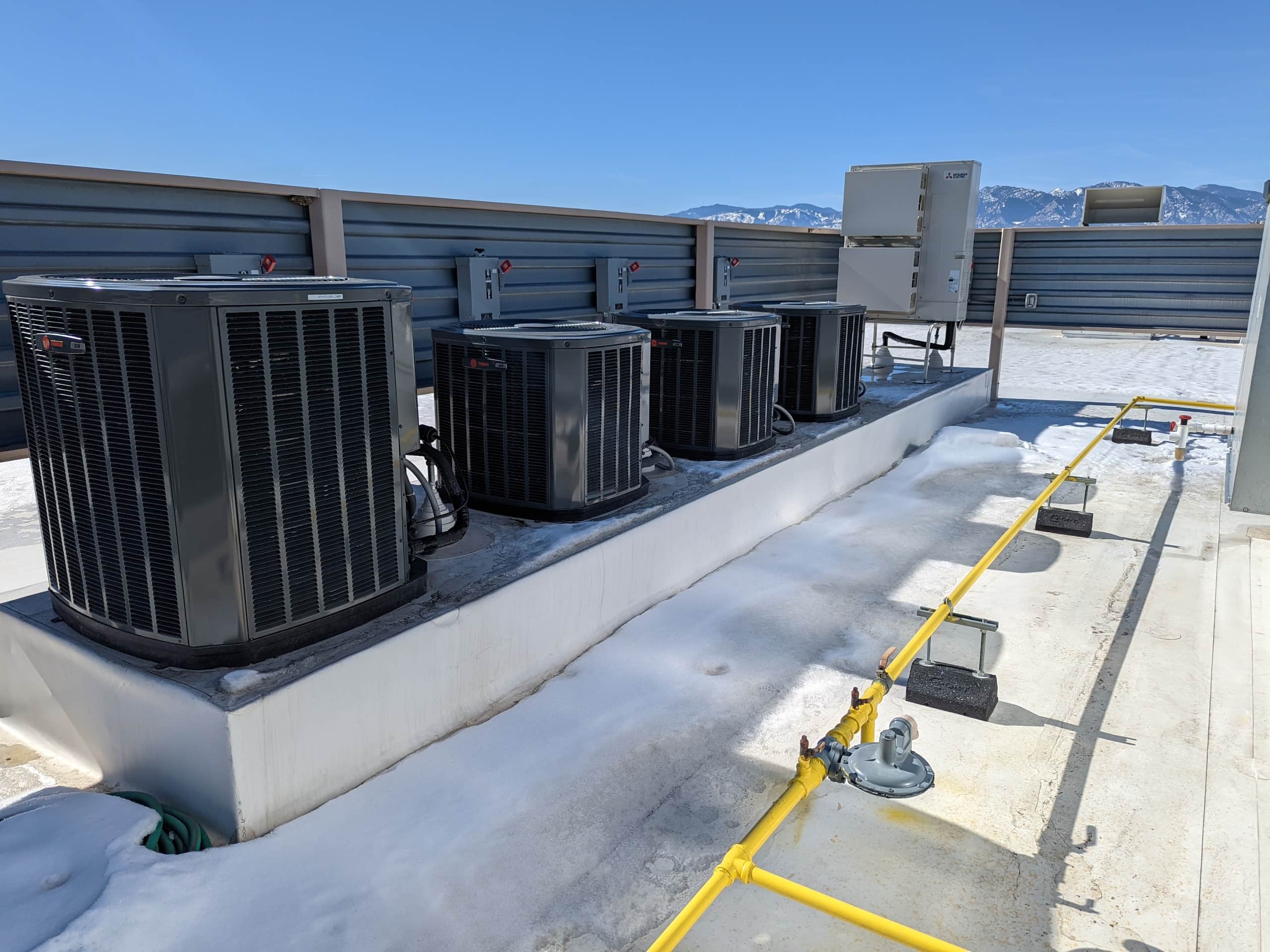
Colorado's altitude affects HVAC performance in ways that rarely get discussed plainly. At 5,500 feet, atmospheric pressure is roughly 17% lower than at sea level. This means fans must work harder to move the same volume of air across the coils, and heat rejection from the condenser is less efficient — particularly on the hottest summer days when your system is already working its hardest.
Single-stage compressors — common in older RTUs — are especially penalized at altitude because they can't modulate to compensate for changing conditions. Modern commercial packaged units address this directly. Variable-speed scroll compressors adjust output in real time, maintaining efficiency even when outdoor conditions push the system hard. Manufacturers publish altitude-derated performance specifications for Colorado installations, and a properly specified new unit will consistently outperform a 15-year-old system running on sea-level design parameters.
As Westminster's commercial districts grow and tenants demand tighter comfort tolerances, this performance gap matters more than it used to. If you manage a multi-tenant building along US-36 or near the Bradburn area, comfort complaints from tenants often trace directly to aging RTU performance — not thermostat settings.
As a licensed mechanical contractor serving the Denver metro, we walk Westminster property owners through a detailed load analysis before recommending any replacement unit. Right-sizing is non-negotiable: an oversized RTU short-cycles, leaving humidity problems and uneven temperatures behind. An undersized unit runs continuously without reaching setpoint. Neither outcome is acceptable — and both are avoidable.
What Westminster Property Owners Should Know About Modern RTUs
Efficiency standards changed in 2023. Units sold and installed in Colorado now must meet updated SEER2 and EER2 minimums under DOE rules. Replacing an older 10-SEER unit with a new 15–17 SEER2 system typically reduces HVAC energy consumption by 30–40% — a meaningful operating cost reduction on any building with 5,000+ square feet of conditioned space.
Here's what the replacement process typically involves for a Westminster commercial project:
- Load calculation. We perform a commercial load analysis to determine proper tonnage for your space — accounting for altitude, building orientation, internal heat loads, and occupancy patterns.
- Equipment selection. Gas/electric, all-electric heat pump, or dual-fuel options depending on your utility infrastructure and operational priorities. Heat pump RTUs that meet cold-climate qualifications may be eligible for Xcel Energy rebates at $1,500 per ton.
- Curb adapter or replacement. We evaluate whether the existing roof curb can be adapted or needs full replacement, coordinating with the building's roofing contractor as needed to maintain the roof membrane warranty.
- Permits and inspections. All work is permitted through Adams County or Jefferson County (depending on your Westminster address) and passes final mechanical inspection before sign-off.
- Ductwork evaluation. We inspect existing ductwork for air leakage, corrosion, or improper sizing that would undercut new equipment performance from day one.
Westminster's mix of Adams County and Jefferson County jurisdictions matters: permit requirements, inspection processes, and energy codes can differ depending on which side of Sheridan Boulevard your building sits on. Having a contractor with direct experience in both jurisdictions avoids mid-project surprises and inspection delays.
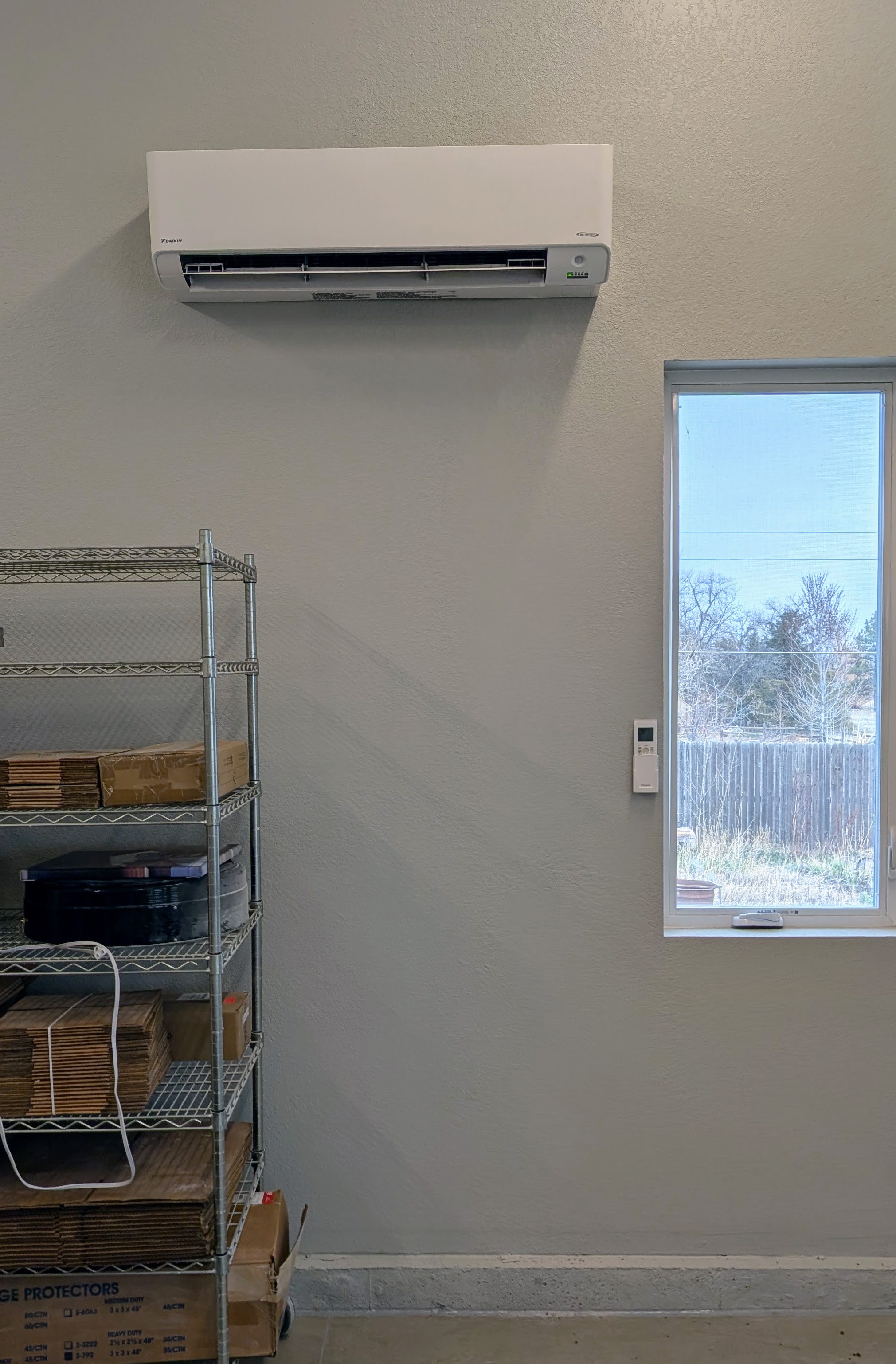
Beyond RTU replacement, our work in Westminster often connects to full commercial mechanical contractor services — from dedicated split systems for server rooms and data closets to commercial heating and air conditioning for multi-zone office buildouts. If your RTU project reveals broader mechanical deficiencies in the building, we can scope those simultaneously and coordinate the full project under one contract.
Mini-Splits By Joseph: Westminster's Commercial RTU Replacement Team
We're a Colorado mechanical contractor with roots in Westminster, Arvada, and the surrounding Front Range communities. Our commercial HVAC work spans office buildings, flex industrial spaces, retail storefronts, and multi-use properties — and every project is managed from the initial load calculation through final inspection sign-off.
What sets us apart for commercial rooftop unit replacement:
- Licensed Colorado mechanical contractor — full commercial project capability
- Altitude-specific equipment selection from major manufacturers
- Turn-key project management: permits, inspections, crane coordination if needed
- Familiarity with both Adams County and Jefferson County processes
- Transparent scoping — we recommend what your building actually needs
If your rooftop unit is showing its age, the best time to plan a replacement is before it fails in August or January — when equipment lead times and contractor schedules are stretched. A planned replacement on your schedule is almost always less disruptive and less costly than an emergency swap-out mid-season.
Ready to Replace Your Westminster Rooftop Unit?
Get a site visit and commercial load analysis from a licensed Colorado mechanical contractor. We serve Westminster, Arvada, Broomfield, Thornton, and the full Denver metro.
Request a Commercial Quote